
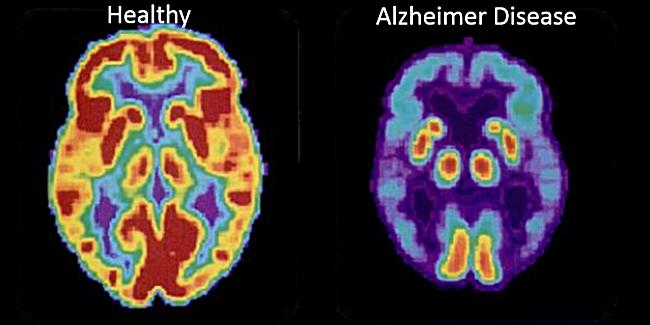
For decades, Alzheimer’s treatment focused largely on managing symptoms. That is changing.
The Alzheimer’s drug pipeline is producing treatments designed to target the underlying biology of the disease. The biggest development so far has been a new class of anti-amyloid drugs that can slow cognitive and functional decline in some people with early Alzheimer’s disease.
But these medicines are not cures. They require careful patient selection, brain imaging, monitoring and access to specialized care.
The next challenge may be just as important as developing the drugs: making sure the healthcare system can deliver them safely and affordably.


Alzheimer’s treatment is entering a new era
Two anti-amyloid medicines have changed the treatment landscape:
- Leqembi (lecanemab) — FDA-approved in 2023 for people with early Alzheimer’s disease.
- Kisunla (donanemab) — FDA-approved in 2024 for people with mild cognitive impairment or mild dementia due to Alzheimer’s disease.
Both target amyloid-beta, a protein that forms plaques in the brain. Clinical trials showed that these drugs can slow the rate of decline, but they do not reverse Alzheimer’s disease or restore lost memory.
For someone in the early stages of disease, slowing progression could mean maintaining independence and everyday abilities for longer.
That potential benefit has to be weighed against treatment risks, cost and the burden of frequent medical visits.
Related reading:
FDA Approves First Alzheimer’s Drug That Slows Disease Progression
What is in the Alzheimer’s drug pipeline?
Anti-amyloid drugs are only one part of the pipeline.
Researchers are also investigating treatments targeting:
- Tau, another protein associated with Alzheimer’s
- Neuroinflammation
- Brain and blood-vessel health
- Metabolic dysfunction
- Synaptic and nerve-cell health
- Combination therapies
The goal is increasingly shifting from finding one Alzheimer’s drug to developing multiple ways to slow or prevent different parts of the disease process.
That could eventually make Alzheimer’s treatment more similar to conditions such as cancer and cardiovascular disease, where treatment is tailored to a patient’s biology and risk factors.
Earlier diagnosis could change everything
One of the biggest developments alongside new drugs is the emergence of Alzheimer’s biomarkers.
Historically, confirming amyloid pathology often required an amyloid PET scan or cerebrospinal-fluid testing. New blood-based tests measuring proteins such as amyloid-beta and phosphorylated tau (p-tau217) are making earlier and potentially more accessible diagnosis possible.
Blood tests could eventually reduce some of the cost and logistical barriers associated with specialized Alzheimer’s diagnosis. But they are not yet a simple replacement for a complete medical evaluation, and test performance and appropriate clinical use remain important considerations.
This matters because anti-amyloid treatments are intended for people in the early stages of Alzheimer’s, making timely diagnosis increasingly important.
The biggest safety concern: ARIA
Anti-amyloid treatments come with an important risk called amyloid-related imaging abnormalities (ARIA).
ARIA can cause:
- Brain swelling
- Small areas of bleeding
- Headache
- Confusion
- Dizziness
- Vision changes
In some cases, ARIA can become serious or life-threatening.
The risk varies between patients. For example, people who carry certain APOE4 genetic variants have a higher risk with these treatments. Kisunla’s FDA labeling recommends APOE ε4 testing before treatment to help inform risk discussions.
That is why MRI monitoring is an important part of treatment.
The takeaway isn’t that these medicines are unsafe. Rather, the potential benefit has to be balanced against individual risk.
Medicare coverage is part of the equation
FDA approval does not automatically mean every patient can easily obtain a treatment.
Medicare has established a national coverage framework for FDA-approved anti-amyloid monoclonal antibodies. Coverage is focused on patients with mild cognitive impairment due to Alzheimer’s or mild Alzheimer’s dementia who have confirmed amyloid pathology, with coverage involving evidence-development requirements.
The real-world cost of treatment can extend well beyond the drug itself.
Patients may also need:
- Specialist evaluations
- Amyloid testing
- MRI scans
- Infusion or treatment administration
- Transportation
- Caregiver support
- Ongoing monitoring
For health plans and providers, this means Alzheimer’s treatment needs to be viewed as a care pathway rather than simply a prescription.
Healthcare systems need to prepare
The growth of the Alzheimer’s drug pipeline creates a new operational challenge.
A patient may need a neurologist or memory specialist, biomarker testing, MRI monitoring, treatment administration and follow-up care. That requires coordination among physicians, radiologists, nurses, pharmacists, insurers and caregivers.
Access may also be uneven.
Patients in rural areas or communities with fewer specialists may face greater difficulty obtaining the testing and monitoring required for treatment.
The next phase of Alzheimer’s innovation therefore isn’t only about discovering better drugs. It is about building a healthcare system capable of delivering them safely and equitably.
What should patients and caregivers do?
Memory problems don’t automatically mean Alzheimer’s disease. Other conditions—including medication effects, sleep problems, depression, thyroid disorders, hearing loss and vitamin deficiencies—can affect cognition.
If memory changes are becoming noticeable, start with a medical evaluation.
For someone diagnosed with early Alzheimer’s, useful questions include:
- Is the disease in a stage where disease-modifying treatment could help?
- Has Alzheimer’s biology been confirmed?
- What benefit could treatment realistically provide?
- What are my individual ARIA and bleeding risks?
- How many MRIs and treatment visits will I need?
- What will Medicare or my insurance cover?
- How will treatment affect my caregiver and transportation needs?
Treatment isn’t the only part of brain health. Physical activity, cardiovascular risk management, good sleep, social engagement and managing conditions such as high blood pressure and diabetes remain important.
Related Good Morning Healthcare reading:
Five Ways To Delay Dementia by Years, According to New Research
The Alzheimer’s drug pipeline is no longer just about experimental treatments. Leqembi and Kisunla have demonstrated that targeting Alzheimer’s biology can slow disease progression in appropriately selected patients.
But progress should be viewed realistically.
These treatments do not cure Alzheimer’s, benefits are measured as a slowing of decline, and treatment comes with meaningful safety and monitoring requirements.
The next breakthrough may therefore be more than another drug. It could be a combination of earlier diagnosis, better biomarkers, safer treatments and a healthcare system that can deliver personalized Alzheimer’s care at scale.
[…] sleep, movement, mood and the ability to manage everyday activities. Causes can include Alzheimer’s disease, vascular dementia, Lewy body dementia and frontotemporal […]