
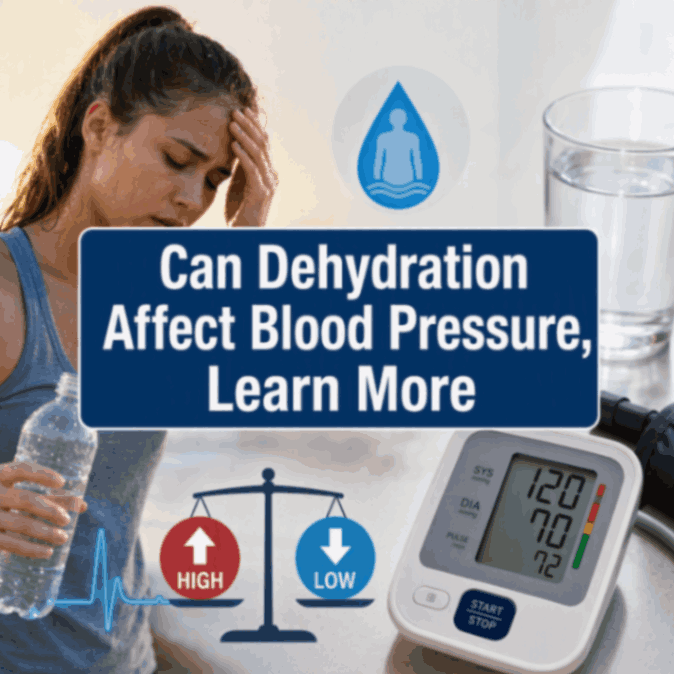
A blood pressure reading can change after vomiting, heavy sweating, fever, or not drinking enough fluids. Yes—dehydration can raise or lower blood pressure depending on how much fluid is lost, how the body responds, and whether someone has heart disease, kidney disease, or hypertension.
Hydration status is worth considering when unusual readings appear alongside dizziness, weakness, headache, rapid heartbeat, or reduced urination. Not every odd number is caused by dehydration, but it is a practical factor to check.
How Dehydration Influences Blood Pressure
Blood pressure reflects the force of blood moving through arteries. Adequate fluid helps maintain blood volume. When the body loses more water and electrolytes than it replaces, volume can drop.
With mild dehydration, the body often compensates: the heart may beat faster and blood vessels may narrow to protect vital organs. This can temporarily raise blood pressure, especially in people who already have hypertension or take medications that affect fluid balance. Hormones signal the kidneys to retain sodium and water, and the nervous system tightens vessels—responses that can keep pressure from falling right away.
As fluid loss becomes more significant, circulating volume may no longer support normal pressure. Blood pressure can fall, particularly when standing (orthostatic hypotension), causing lightheadedness, blurry vision, weakness, or fainting.
When Low Blood Pressure Becomes Urgent
Substantial losses—from prolonged diarrhea or vomiting, high fever, heat exposure, uncontrolled blood sugar, or diuretics—can overwhelm compensatory systems. Low blood pressure reduces flow to the brain, kidneys, and other organs. Severe cases can lead to confusion, fainting, kidney injury, or shock. Older adults, infants, young children, and people with chronic conditions are at higher risk because dehydration can develop quickly or be harder to recognize.
Symptoms That Point to Dehydration
Thirst is a useful signal but imperfect—some older adults have a reduced sense of it. Dark yellow urine, dry mouth, fatigue, and less frequent urination often suggest fluid intake is not keeping up. More concerning signs include dizziness on standing, fainting, racing heartbeat, confusion, inability to keep fluids down, very little urine, or severe weakness. These warrant prompt medical advice, especially with heart failure, kidney disease, diabetes, or a history of blood pressure problems.
In older adults, dehydration may show up less as obvious thirst and more as sudden confusion, sleepiness, falls, or a decline in routine function.
What to Do If Dehydration May Be Affecting Your Reading
First, check measurement technique: sit quietly for at least five minutes, keep both feet on the floor, support the arm at heart level, and use a properly sized cuff. Avoid measuring right after exercise, a hot shower, smoking, caffeine, or stress.
If mild dehydration seems likely and a clinician has not advised fluid restriction, drink fluids gradually. Water is often appropriate; an oral rehydration solution may be better after diarrhea, vomiting, or heavy sweating because it replaces electrolytes. Avoid sugary sodas and alcohol for rehydration.
Do not use hydration as a substitute for prescribed blood pressure treatment. Do not skip, double, or change doses of antihypertensive medicines or diuretics based on one reading without guidance. A clinician may temporarily adjust medication during acute illness, but that decision is individualized.
People with heart failure or advanced kidney disease may have fluid limits set by their care team—extra water is not always safe. Those with diabetes should watch for dehydration during high blood sugar, as excess glucose increases urinary fluid loss. Athletes and outdoor workers need regular drinking breaks and attention to electrolyte replacement in heat.
When to Seek Care Right Away
Call emergency services for fainting, chest pain, shortness of breath, new confusion, signs of stroke, severe weakness, or symptoms of severe dehydration. A very low reading with symptoms can be an emergency, especially after significant fluid loss or heat exposure.
A reading of 180/120 mm Hg or higher accompanied by chest pain, shortness of breath, weakness, numbness, vision changes, difficulty speaking, or severe headache also needs emergency evaluation—do not assume dehydration is the cause.
Contact a healthcare professional for readings that stay repeatedly higher or lower than your usual range, even if you feel well. Bring a log of numbers, pulse, symptoms, medication timing, fluid intake, and recent illness.
A Practical Perspective
Hydration supports normal circulation, but it is only one piece of blood pressure management alongside sleep, sodium intake, activity, stress, kidney health, medications, and underlying cardiovascular disease. The most useful habit is noticing changes—less urine during illness, dizziness after standing, unexpected shifts in home readings, or trouble keeping fluids down—so you can act early.
For more on reading labels that affect sodium and fluid balance, see our guide on how to read nutrition facts labels. Reliable external resources include the Cleveland Clinic’s overview of dehydration and blood pressure and the American Heart Association’s blood pressure guidance.
Thank you, You will be automatically subscribed to the our newsletter.