
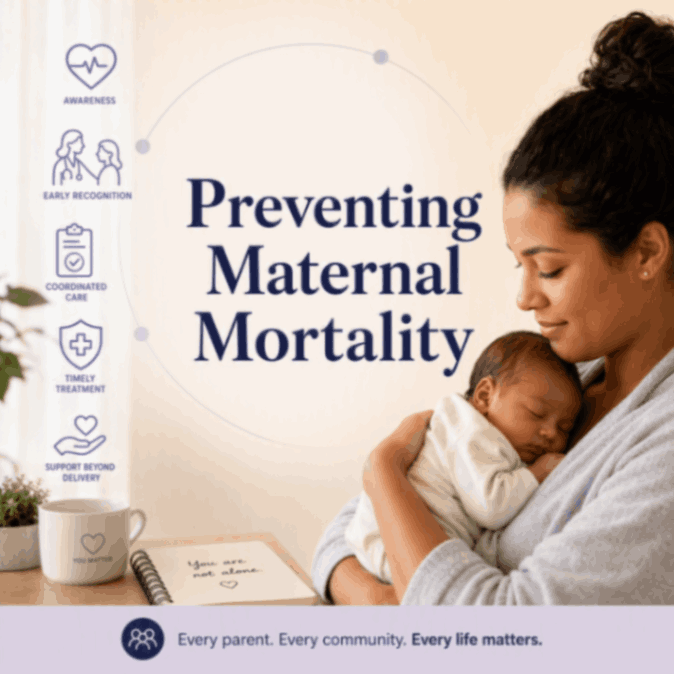
A dangerous pregnancy complication often continues after delivery. In the United States, many pregnancy-related deaths occur in the days, weeks, or months postpartum, when parents are recovering at home and focused on newborn care. Most are preventable with timely recognition, coordinated care, and reliable access to treatment.
What Is Maternal Mortality vs. Pregnancy-Related Mortality?
Maternal death (WHO/NCHS standard) covers deaths during pregnancy or within 42 days after from causes related to or aggravated by pregnancy (excluding accidents). Pregnancy-related mortality is broader: deaths during pregnancy or up to one year postpartum linked to pregnancy. The broader window captures late risks such as cardiomyopathy, infection, blood clots, and mental health crises.
In 2024, the U.S. maternal mortality rate was 17.9 deaths per 100,000 live births (649 deaths), statistically unchanged from 18.6 in 2023 (669 deaths). Rates peaked higher during the COVID period (32.9 in 2021) before declining.
Latest U.S. Maternal Mortality Rates (2023–2024)
Maternal Mortality Review Committees (MMRCs), which examine individual cases in detail (including up to one year postpartum), identify underlying causes more comprehensively than vital statistics alone. Data from 36 states (2017–2019) show the top causes accounting for most pregnancy-related deaths:
| Underlying Cause | Approximate Share |
|---|---|
| Mental health conditions (incl. suicide, overdose/substance use) | 22.7% |
| Hemorrhage | 13.7% |
| Cardiac and coronary conditions | 12.8% |
| Infection | 9.2% |
| Thrombotic embolism | 8.7% |
| Cardiomyopathy | 8.5% |
| Hypertensive disorders (e.g., preeclampsia) | ~7–8% |
More than 80% of pregnancy-related deaths reviewed by MMRCs are deemed preventable—meaning at least some chance the outcome could have changed with different care, communication, or circumstances.
Key clinical risks and warning signs
- Mental health/substance use: Risks intensify postpartum (sleep deprivation, pain, isolation, prior history). Screening alone is insufficient; continuous referral pathways, medication management, and year-long follow-up are required.
- Hemorrhage: Rapid blood loss from uterine atony, retained tissue, previa/abruption, or cesarean complications. Soaking a pad in an hour, large clots, fainting, or racing heartbeat need urgent care. Standardized protocols, quantified blood loss, and blood-product readiness reduce deaths.
- Cardiovascular disease/cardiomyopathy/stroke: Pregnancy stresses the heart; cardiomyopathy can appear late. Shortness of breath at rest, chest pain, persistent tachycardia, new facial/hand swelling, or orthopnea warrant prompt evaluation—especially with hypertension, diabetes, obesity, or prior preeclampsia.
- Hypertensive disorders: Preeclampsia can onset or worsen postpartum. Home blood-pressure monitoring with clear action thresholds and rapid clinician access helps.
- Infection/sepsis and thrombotic embolism: Cesarean, prolonged labor, or retained tissue raise infection risk; limited mobility and cesarean raise clot risk. Confusion, severe pain, sudden shortness of breath, unilateral leg swelling, or coughing blood require immediate attention.
Racial Disparities in Maternal Mortality
Non-Hispanic Black women face markedly higher rates (44.8 per 100,000 in 2024) than non-Hispanic White women (14.2). American Indian/Alaska Native rates have historically been highest. These gaps reflect unequal access to high-quality care, hospital resource differences, higher chronic-disease burdens shaped by social conditions, and bias—not solely individual behavior or income.
Insurance lapses after delivery create dangerous handoffs precisely when late complications emerge. Extending postpartum coverage and making early, ongoing follow-up routine are evidence-based policy levers.
What Better Postpartum Care Looks Like
A continuous model from preconception through the full postpartum year: optimize chronic conditions before pregnancy, identify high-risk cases early, deploy standardized emergency protocols, provide clear discharge instructions, integrate behavioral health into maternity care, use remote monitoring where helpful, and ensure responsive referral networks for both rural and urban settings. Patients and families should treat severe headache/vision changes, chest pain, breathing difficulty, heavy bleeding, seizures, worsening fever, severe abdominal pain, self-harm thoughts, or a sense that “something is seriously wrong” as emergencies—and always mention recent pregnancy or delivery, even months later.
Treating the postpartum period as a full year of elevated risk, rather than a single visit, gives the best chance to interrupt preventable deaths.
Thank you, You will be automatically subscribed to the our newsletter.