

Diabetes rates are rising rapidly worldwide, making prevention more important than ever. Now, new research suggests scientists may have uncovered another promising clue in the fight against Type 2 diabetes: tiny molecules in the blood that could help signal future risk—years before symptoms appear.
In a study published in Nature Medicine, researchers from Mass General Brigham and Albert Einstein College of Medicine found that certain metabolites—small byproducts created when the body processes food and energy—are closely linked to the likelihood of developing Type 2 diabetes.

New research shows that tiny molecules in the blood called metabolites can help predict a person’s risk of developing Type 2 diabetes long before traditional symptoms or high blood sugar appear. In a large study of more than 23,000 adults followed for up to 26 years, scientists analyzed hundreds of blood metabolites and found that 235 were significantly linked to future diabetes risk, including 67 previously unknown markers.
These metabolic signals reflected pathways tied to insulin resistance, fat metabolism, and energy regulation, and were influenced not just by genetics but also by diet, physical activity, and body weight. When combined into a 44-metabolite signature, this profile improved predictions of future Type 2 diabetes risk beyond conventional factors like age and BMI, offering a promising new tool for earlier detection and personalized prevention strategies.
The study also showed that both lifestyle habits—including diet, physical activity, and weight management—and genetics influence how these metabolites form in the body.
Understanding Type 2 Diabetes
Type 2 diabetes is a chronic metabolic condition in which the body becomes resistant to insulin or doesn’t produce enough of it. This leads to elevated blood sugar levels (hyperglycemia).
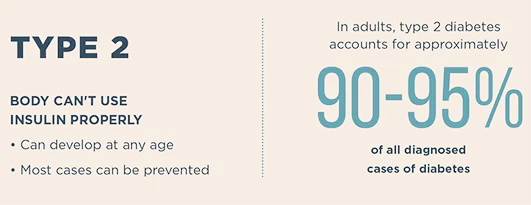
Accounting for 90–95% of all diabetes cases, Type 2 diabetes is often linked to excess weight, physical inactivity, and genetic factors. Common symptoms include fatigue, increased thirst, frequent urination, and slow-healing sores.
Causes & Risk Factors
- Excess body weight, especially around the abdomen
- Physical inactivity
- Family history and genetics
- Age over 45 (though rates are rising among younger adults)
Why Waist Size Matters More Than You Think
When it comes to diabetes risk, where you carry fat may matter more than how much you weigh.
Health Risk Indicators (Waist Circumference)
- Women:
- Increased risk: 31.5 inches (80 cm) or more
- High risk: 35 inches (88 cm) or more
- Men:
- Increased risk: 37 inches (94 cm) or more
- High risk: 40 inches (102 cm) or more
Alternative rule of thumb: Keep your waist circumference to less than half your height.
Unlike BMI, which measures total body mass, waist circumference reflects abdominal (visceral) fat—the type that surrounds internal organs like the liver and pancreas. High levels of visceral fat are strongly linked to Type 2 diabetes, heart disease, and high blood pressure.
BMI vs. Waist-to-Hip Ratio (WHR)
Growing evidence suggests that waist-to-hip ratio (WHR) is a better predictor of diabetes and heart disease risk than BMI alone.
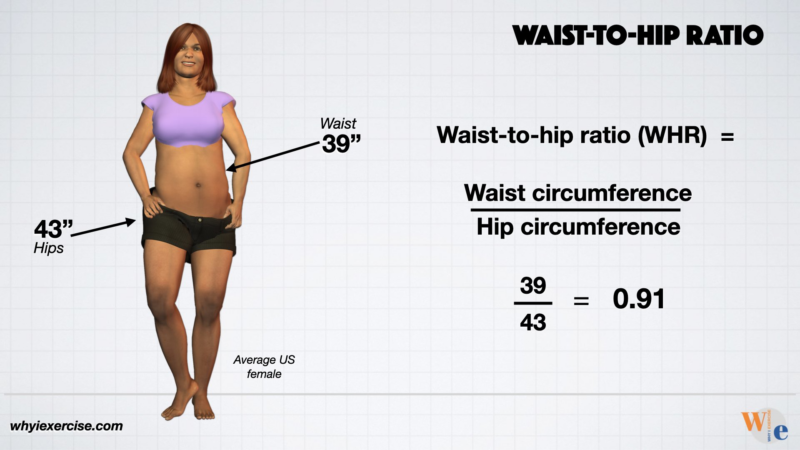
WHR is calculated by dividing your waist measurement by your hip measurement. It reflects how much fat is stored in the midsection—where it poses the greatest health risk.
Research consistently shows that higher WHR values are linked to increased risk of:
- Type 2 diabetes
- Heart disease
- Stroke
- Early mortality
Why BMI falls short: BMI doesn’t distinguish between muscle and fat, nor does it show where fat is stored.
- Women:
- Healthy: 0.8 or less
- Increased risk: above 0.85
- Men:
- Healthy: 0.9 or less
- Increased risk: above 1.0
According to the World Health Organization (WHO), a WHR of 0.85 or higher indicates abdominal obesity.
Takeaway: What This Means for You
While metabolite screening is still emerging, this research reinforces a powerful message: your daily habits matter—long before diabetes develops. Lifestyle choices can influence metabolic markers tied to diabetes risk years in advance.
Practical Ways to Lower Your Risk—Starting Today
You don’t need cutting-edge tests to begin protecting your health. Experts consistently recommend these foundational habits:
- Move your body daily: Even brisk walking improves insulin sensitivity
- Choose whole foods: Focus on vegetables, fruits, lean proteins, and fiber-rich whole grains
- Balance blood sugar: Pair carbohydrates with protein or healthy fats to reduce spikes
- Manage stress and sleep: Chronic stress and poor sleep disrupt metabolic health
- Know your numbers: Regular checkups can catch early warning signs
As research continues, tools like metabolite screening may help fine-tune prevention plans. But the foundation of diabetes prevention still begins with healthy choices made every day.
How Fit Are You?
See how you measure up using simple fitness tests recommended by the Mayo Clinic—and take the first step toward better metabolic health.
Thank you, You will be automatically subscribed to the our newsletter.