

Everyone knows that sitting too much isn’t good for our health. But a new study suggests that the time you sit is not the only factor. What you do while sitting may affect the health of your brain and the risk of dementia.
A recent study published in the American Journal of Preventive Medicine reveals some important information about brain health and aging.
Researchers followed more than 20,000 adults in Sweden over two decades, tracking how much time participants spent sitting and the types of activities they engaged in. Over the course of the study, 569 individuals developed dementia.
The key finding? Not all sedentary behaviors are created equal.
Researchers defined “mentally passive” activities—such as watching television or passively listening to music—and “mentally active” ones, like reading, doing crossword puzzles, or engaging in hobbies that require focus.
The results were dramatic: people who spent more time in “passive” activities had a significantly higher risk of developing dementia, while those who engaged in “active” or more cognitively stimulating activities had a lower risk.
Even small changes seemed to make a difference.
Replacing just one hour of passive sedentary time with a mentally engaging activity was associated with a 7% reduction in dementia risk. Adding an extra hour of mentally active behavior overall lowered the risk even more.
The greatest benefit came from combining mental engagement with physical activity, which was associated with an 11% reduction in risk.
So why does this matter?
One theory discusses how the brain responds to challenges.
Activities that require thinking, problem-solving, or creativity help maintain neural connections and build what experts call “cognitive reserve”—the brain’s ability to adapt and compensate as we age.
These links between nerve cells, called synapses, allow us to learn and adapt, and hold clues to conditions such as autism, schizophrenia and more.
On the other hand, long stretches of low-effort activities do not provide the same stimulation, which may lead to gradual cognitive decline over time.
There may also be physical factors at play.
Passive activities often involve prolonged, uninterrupted sitting, which can reduce blood flow to the brain.
More engaging tasks, on the other hand, tend to include subtle shifts in attention or movement.
Additionally, mentally stimulating activities are often social or interactive, both of which have been linked to better cognitive outcomes.
Sleep quality may also differ, as excessive passive screen time has been associated with poor sleep, which is another important factor in brain health.
However, this study shows an association, not direct cause, and effect. That means that it’s possible that individuals with stronger cognitive function are more likely to choose mentally engaging activities.
Still, the researchers suggest that we should try to be more purposeful about how we spend our downtime.
The good news is that protecting your brain does not require drastic changes.
Simple choices can help keep your mind active. For example,
- Picking up a book instead of the remote
- Doing a puzzle
- Learning a new skill
- Calling a friend
Creative hobbies such as writing, knitting, or playing music also engage multiple areas of the brain.
And not all screen time is harmful. Using a computer to learn, connect, or solve problems can be beneficial.
The things to avoid include prolonged periods of low-engagement behavior, such as mindless scrolling through content or binge-watching without interaction.
Final Thoughts
We build brain health over time through a variety of ways and habits.
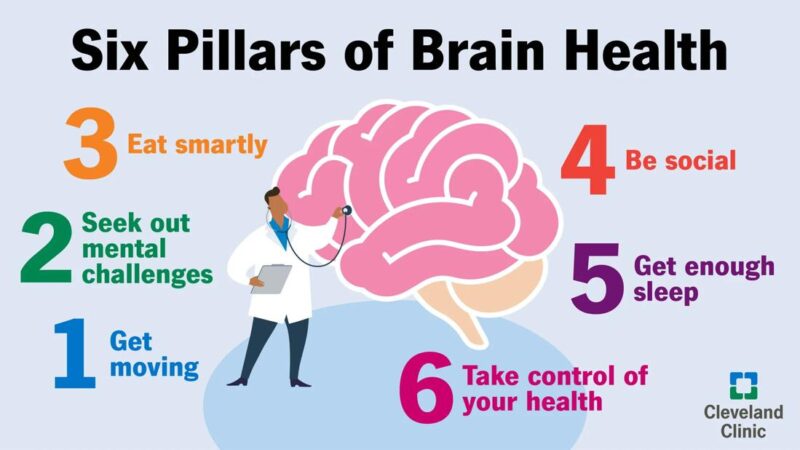
Staying physically active, eating a balanced diet, getting enough sleep, and maintaining relationships all play important roles.
This study highlights that mental activity, even while sitting, is just another piece of the puzzle.
In short, if you’re going to sit, make it count.
For more information check out HealthBrains.org
Thank you, You will be automatically subscribed to the our newsletter.