
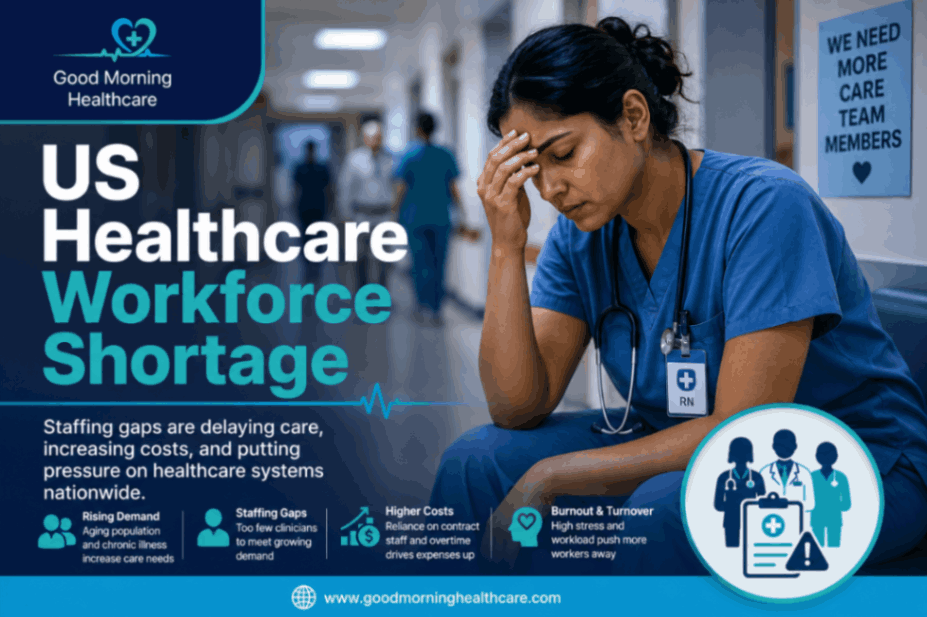
The healthcare workforce shortage is no longer just a staffing problem—it’s changing how Americans access care. Hospitals can expand facilities, health plans can improve benefits, and digital health companies can launch new technology, but none of those efforts succeed without enough clinicians, nurses, technicians, and support staff.
Today, workforce shortages are contributing to longer appointment wait times, reduced healthcare services, higher costs, and growing clinician burnout. For patients, that may mean waiting weeks for primary care, delayed behavioral health appointments, or fewer healthcare services in rural communities.
Why the Healthcare Workforce Shortage Continues
The shortage extends far beyond physicians and nurses. Healthcare relies on pharmacists, medical assistants, laboratory professionals, respiratory therapists, behavioral health specialists, home health aides, care managers, and many other essential workers. When one role is understaffed, the entire care journey can slow.
Demand continues to grow as the U.S. population ages and chronic diseases such as diabetes, heart disease, cancer, and dementia become more common. At the same time, workforce supply remains limited because of retirements, burnout, lengthy training programs, faculty shortages, and increasing administrative burdens.
Compensation plays a role, but many healthcare professionals also cite unpredictable schedules, documentation requirements, heavy workloads, and limited work-life balance as reasons for leaving patient care.
How Patients Are Affected
Patients often experience the shortage through delayed access to care. Primary care practices may struggle to accept new patients, leading more people to seek treatment in urgent care centers or emergency departments.
Behavioral health services remain especially difficult to access, with many communities facing shortages of psychiatrists, psychologists, counselors, and addiction specialists despite growing demand.
Home health agencies and long-term care providers also face significant staffing challenges. As more older adults choose to age at home, shortages of nurses and home health aides place greater responsibility on family caregivers.
Rural communities are particularly vulnerable. Losing even one physician, pharmacist, or obstetric provider can significantly reduce access to essential healthcare services.
Financial Impact Across Healthcare
Workforce shortages increase costs throughout the healthcare system. Hospitals and health systems often rely on overtime, contract staffing, recruitment incentives, and retention bonuses to maintain services.
Health insurers and employers also feel the impact. Preventive care, chronic disease management, care coordination, and value-based care programs all depend on having enough healthcare professionals available to see patients.
Technology—including artificial intelligence and automation—can improve efficiency by reducing administrative work, but it cannot replace clinical judgment or direct patient care.
What Can Help?
There is no single solution, but several strategies are showing promise:
- Expanding team-based care so clinicians work at the top of their licenses
- Reducing administrative burdens and unnecessary documentation
- Improving scheduling flexibility and workplace wellness
- Investing in education, workforce training, and loan repayment programs
- Using technology to streamline workflows instead of adding complexity
Organizations that focus on retaining experienced staff are often better positioned to improve both patient access and care quality.
What to Watch
The healthcare workforce shortage will remain one of the biggest issues shaping U.S. healthcare over the next decade. Beyond vacancy numbers, important indicators include appointment wait times, service reductions, staff turnover, patient satisfaction, and clinician burnout.
Ultimately, success will be measured by whether patients can receive timely, high-quality care—not simply by how many positions are filled.
Thank you, You will be automatically subscribed to the our newsletter.