
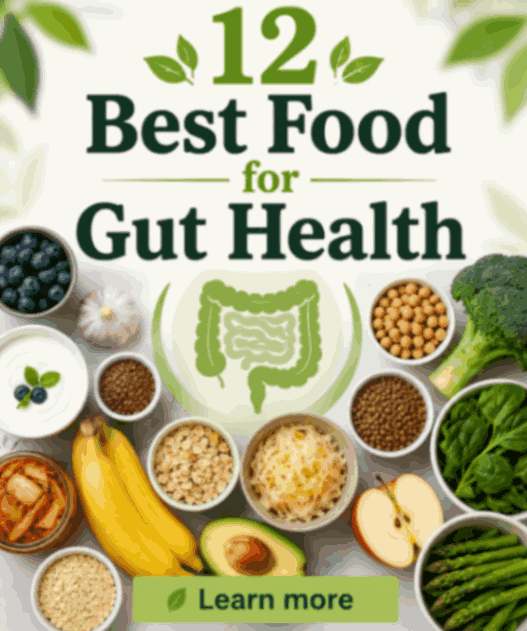
A healthy gut isn’t built by one pricey probiotic, a three-day cleanse, or a social-media “reset.” It develops from what you eat consistently over time. The best foods for gut health are ordinary grocery staples: fiber-rich plants, fermented foods with live cultures, and meals that prioritize variety.
Your gastrointestinal tract does far more than digest food. Its community of bacteria, viruses, fungi, and other microbes—the gut microbiome—helps break down dietary compounds, supports the intestinal barrier, and communicates with the immune system. Research is still evolving, and no single food diagnoses or treats digestive conditions. Still, dietary patterns rich in diverse plant foods are consistently linked to better overall health .
What Makes a Food Good for the Gut?
Most gut-friendly foods work in one of two ways:
- They supply dietary fiber and compounds that feed beneficial microbes (prebiotics).
- They deliver live microorganisms (probiotics) that may temporarily influence the gut environment.
Fiber is especially important. Human enzymes cannot fully break down many fibers, so colon microbes ferment them. This produces short-chain fatty acids (SCFAs) such as butyrate, which nourish colon cells and support barrier function. Not all fibers act the same, and ramping up too quickly can cause gas, cramping, or looser stools.
The practical goal for most adults is not chasing a “superfood.” Eat more types of minimally processed plant foods across the week and include fermented foods that fit your preferences and medical needs. For more on building balanced eating habits, see our guide to everyday nutrition.
12 Best Foods for Gut Health
1. Beans, lentils, and chickpeas These combine fiber, resistant starch, and plant protein. Their fermentable carbs can increase gas if you’re not used to them—start small, rinse canned beans, and increase gradually.
2. Oats and other whole grains Oats provide beta-glucan, a soluble fiber that feeds gut microbes and supports heart health. Rotate with barley, bulgur, brown rice, quinoa, and whole-grain corn for different fibers and nutrients.
3. Yogurt with live and active cultures Look for “live and active cultures” on the label. It offers protein, calcium, and convenient probiotics. Choose plain or lightly sweetened versions; lactose-free options exist for those with intolerance. Learn more about cultured dairy benefits.
4. Kefir This fermented milk drink often contains a wider range of cultures than standard yogurt. Unsweetened kefir works well in smoothies, overnight oats, or as a yogurt substitute.
5. Kimchi, sauerkraut, and other fermented vegetables These add live cultures and flavor in small servings. Choose refrigerated products with live cultures (not just vinegar-pickled shelf-stable versions). Use as a condiment due to sodium content. Evidence continues to grow on how fermented foods support the microbiome.
6. Berries Blueberries, raspberries, strawberries, and blackberries deliver fiber plus polyphenols that gut microbes transform into beneficial compounds. Fresh or frozen both work well in oatmeal or yogurt.
7. Apples Apples supply pectin, a soluble fiber that supports regularity and microbial fermentation. Eat the washed peel for extra fiber. Unsweetened applesauce is gentler during digestive upsets.
8. Onions, garlic, leeks, and asparagus These contain fructans (prebiotic carbs) that feed certain beneficial microbes. They may worsen bloating in people with IBS who are sensitive to high-FODMAP foods—adjust based on tolerance. Related reading: understanding IBS and diet.
9. Leafy greens and cruciferous vegetables Spinach, kale, broccoli, cabbage, and Brussels sprouts provide fiber, vitamins, and diverse plant compounds. Cooking can improve tolerance if large raw portions cause gas.
10. Nuts and seeds Almonds, walnuts, chia, flaxseed, and pumpkin seeds add fiber, unsaturated fats, and plant compounds. Grind flaxseed for better absorption; pair chia with adequate fluid.
11. Green bananas and cooked-then-cooled starches Slightly green bananas and cooled (then reheated) potatoes, rice, or pasta develop resistant starch that reaches the colon for microbial fermentation.
12. Extra-virgin olive oil Not high in fiber, but its polyphenols and monounsaturated fats fit Mediterranean-style patterns linked to gut and cardiometabolic benefits. Use it to cook vegetables or dress beans .
A Practical Way to Build a Gut-Friendly Plate
Pair one high-fiber plant food with one live-culture food when tolerated: oatmeal with berries and yogurt, a grain bowl with chickpeas and greens, or eggs with sautéed vegetables and a side of kimchi.
Variety matters. Different plants supply different fibers and polyphenols that support different microbes. Add one new plant food each week and rotate familiar ones. Canned beans, frozen vegetables, plain yogurt, and store-brand oats keep it affordable.
Hydration helps fiber work smoothly. Increase fiber gradually over weeks—especially if you’ve had constipation—to avoid temporary discomfort. For more practical meal ideas, check our high-fiber meal ideas.
When Gut Symptoms Need Medical Attention
Diet changes are not a substitute for evaluation of persistent, severe, or changing symptoms. Contact a clinician for blood in the stool, unexplained weight loss, ongoing vomiting, fever, anemia, severe abdominal pain, trouble swallowing, or a significant new change in bowel habits.
People with inflammatory bowel disease, celiac disease, gastroparesis, short bowel syndrome, chronic kidney disease, history of bowel surgery, or those following a low-FODMAP plan for IBS need individualized guidance. Restrictive diets can help short-term but may reduce variety if continued without professional input. If you need personalized support, [schedule a visit with our care team].
The most useful change is often the simplest: add a serving of beans, berries, oats, vegetables, or cultured dairy to meals you already eat, then give your body time to adjust. Consistency and variety usually outperform any single “quick-fix” product.
ss, ongoing vomiting, fever, anemia, severe abdominal pain, trouble swallowing, or a significant new change in bowel habits.
People with inflammatory bowel disease, celiac disease, gastroparesis, short bowel syndrome, chronic kidney disease, history of bowel surgery, or those following a low-FODMAP plan for IBS need individualized guidance. Restrictive diets can help short-term but may reduce variety if continued without professional input.
The most useful change is often the simplest: add a serving of beans, berries, oats, vegetables, or cultured dairy to meals you already eat, then give your body time to adjust. Consistency and variety usually outperform any single “quick-fix” product.
[…] supports digestive health and can help foods feel more filling. Higher-fiber breads, cereals, beans, and snacks may be […]